
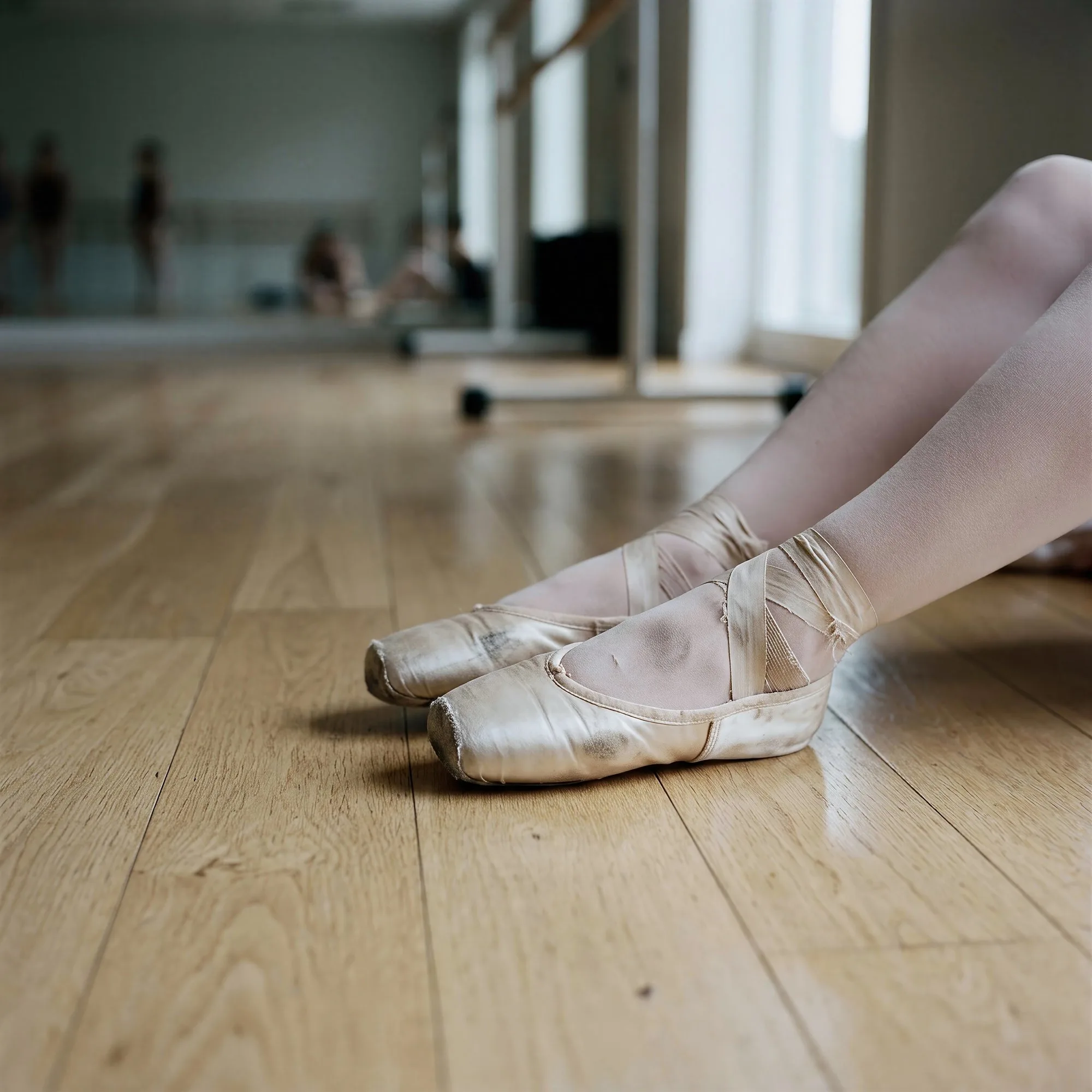
For many aspiring ballet dancers, the pointe shoe represents the pinnacle of their art, a symbol of grace, strength, and ethereal beauty. Stepping onto pointe is a transformative experience, allowing dancers to appear weightless and extend their lines in ways unimaginable flat-footed. However, beneath the satin and ribbons lies a marvel of engineering, a complex structure designed to support the dancer’s entire body weight on the tips of their toes. Understanding the anatomy of a pointe shoe is not just for shoemakers or professionals; it’s crucial for every dancer, parent, and teacher to ensure safety, comfort, and optimal performance. This article will break down the essential components of a pointe shoe, explaining what each part does and why it matters.
The Foundation: The Shank
The shank is arguably the most critical structural component of a pointe shoe, acting as its spine. It’s a piece of stiff material, traditionally made from layers of leather, fiberboard, or plastic, inserted into the sole of the shoe beneath the arch of the foot. The shank provides the necessary support for the dancer to stand en pointe, distributing the body’s weight and creating the arch of the shoe. Shanks come in various strengths, from soft to extra-hard, to accommodate different foot strengths, arch types, and technical needs. A dancer with a strong arch and foot might prefer a softer shank for greater flexibility, while a dancer needing more support might opt for a harder one. The right shank ensures the foot is adequately supported, preventing the shoe from collapsing and reducing the risk of injury. Choosing the correct shank is a delicate balance, as too soft a shank offers insufficient support, and too hard a shank can hinder proper foot articulation.
The Core: The Box
At the very front of the pointe shoe is the box, a rigid enclosure that encases and supports the dancer’s toes. This crucial part is typically made from layers of tightly packed fabric, paper, and glue, molded into a specific shape. The box provides a stable platform for the dancer to balance on, protecting the toes from direct impact and pressure. Boxes come in various shapes and sizes—tapered, square, or slightly rounded—to fit different foot shapes. A well-fitted box prevents the toes from crushing or sliding, which can lead to painful bunions, corns, or even stress fractures. The material and construction of the box are designed to harden with use, conforming slightly to the dancer’s foot over time, yet maintaining its essential supportive structure. Proper fit here is paramount for both comfort and injury prevention, making the box a cornerstone of pointe shoe design.
The Support: The Vamp and Wings
The vamp is the upper part of the shoe that covers the top of the foot, extending from the platform to the drawstring. Its length and shape are vital for providing adequate support and maintaining the dancer’s foot within the shoe. A longer vamp offers more support for dancers with higher arches or hyperextended feet, while a shorter vamp can enhance the line of the foot for others. The wings are the side panels of the box that extend backward along the sides of the foot. They contribute significantly to the lateral stability of the shoe, hugging the foot snugly and preventing it from rolling inward or outward. Strong wings help to keep the foot centered and secure within the shoe, especially during turns and complex footwork. Together, the vamp and wings work in harmony with the box and shank to create a cohesive support system, ensuring the dancer feels secure and balanced while en pointe.
The Connection: Ribbons and Elastic
While not integrated into the shoe’s structure at the factory, ribbons and elastic are indispensable for securing the pointe shoe to the dancer’s foot. Ribbons, traditionally made of satin, are sewn onto the sides of the shoe, typically just behind the wings. They are then crisscrossed around the ankle and tied securely, not only holding the shoe in place but also providing crucial ankle support. Elastic bands are often sewn across the top of the arch or around the heel to further secure the shoe, preventing it from slipping off the heel when the dancer is demi-pointe or moving. The placement and tension of both ribbons and elastic are highly personalized, tailored to the individual dancer’s foot and ankle shape. Incorrectly sewn or tied ribbons and elastic can lead to discomfort, instability, or even injury, highlighting their vital role in the overall functionality and safety of the pointe shoe.
The Surface: The Platform and Sole
The platform is the flattened, rigid tip of the box upon which the dancer balances. It’s the point of contact with the floor, and its size and shape influence the dancer’s stability and ability to balance. A wider platform offers more surface area and can feel more stable, while a narrower platform might allow for a cleaner line but require greater strength and precision. The outer sole is the piece of leather or synthetic material on the bottom of the shoe, extending from the platform to the heel. It provides grip and a small degree of flexibility, allowing the shoe to bend with the foot. Some dancers prefer to score or roughen their soles for extra traction. The combination of the platform and the outer sole is essential for the dancer’s connection to the floor, enabling subtle adjustments for balance and control during intricate choreography. Both components are meticulously designed to facilitate both stability and artistic expression.
Beyond the Basics: Fitting and Care
Understanding the parts of a pointe shoe is only half the battle; proper fitting and care are equally critical. A professional fitting by an experienced fitter is non-negotiable. They can assess your foot shape, strength, and experience level to recommend the perfect combination of shank, box, vamp, and wings. Poorly fitted pointe shoes can lead to severe foot injuries, such as bunions, hammertoes, and stress fractures, which can derail a dancer’s career. According to the International Association for Dance Medicine & Science (IADMS), foot and ankle injuries are reported to account for 39-50% of all dance injuries, with the forefoot being the most common site of injury. Once you have your shoes, breaking them in correctly is vital. This process gently softens certain parts of the shoe, allowing it to mold to your foot without compromising its structural integrity. Care involves airing them out after each use to prevent moisture buildup, which can weaken the materials. Professional dancers, who spend countless hours en pointe, go through shoes rapidly. The average professional dancer will wear out 10-15 pairs of pointe shoes per month, spending approximately $1,200-$1,800 on pointe shoes per year. Proper care extends the life of your shoes, but ultimately, they are consumable items that need regular replacement to maintain their supportive function.
The Unseen Strength
The pointe shoe is far more than just a pretty slipper; it’s a meticulously crafted tool that enables dancers to defy gravity and create breathtaking art. Each component, from the rigid shank to the delicate ribbons, plays a vital role in supporting the dancer’s foot, preventing injury, and facilitating peak performance. By understanding the anatomy of these incredible shoes, dancers can make more informed choices about their footwear, advocate for proper fittings, and appreciate the intricate design that supports their passion. This knowledge empowers dancers to not only dance beautifully but also safely and sustainably, ensuring a long and healthy journey en pointe. Embrace the journey of understanding your tools, and your art will flourish.
Connect with our Creative Lowcountry Community!
Are you a dancer, artist, or creative spirit looking to connect with a vibrant community? Whether you’re seeking expert advice on dancewear, looking for local arts events, or simply want to share your passion, we invite you to reach out. Our dedicated team is here to support and inspire you. Don’t hesitate to get in touch with us to learn more about our programs, resources, and how you can become a part of our thriving artistic family. We look forward to hearing from you and helping you pursue your creative dreams.
Leave a Reply